
It’s a winding drive through woodland and hills to reach the settlement of Grandmont in the Limousin hills. A chapel recalls the village’s links with a monastic order that was once one of the wealthiest and most austere religious communities. The Grandmontines grew from a small group of hermits who had been inspired by the spirituality and asceticism of Stephen, a deacon, born into a wealthy family around 1047, who embraced the most severe form of austerity and poverty.
Those who came to join Stephen were warned that life would be incredibly tough. He had no truck with the wealth and luxury he saw in other religious communities; ‘You can move on to any monastery you wish, where you will find impressive buildings, delicate foods served according to their seasons. There, too, you will meet with great expanses of land covered with flocks. Here you will find only poverty and the Cross.’
The rule of life was equally simple: “There is no rule other than the Gospel of Christ.”
In her book, The Hermit Monks of Grandmont, Carole Hutchinson notes that Stephen, ‘instead of overturning the tables of the moneylenders … quietly followed his Christ into the desert. Once there, he proceeded to demonstrate that reformation can be achieved more effectively by good example and gentleness than by thundering abuse.’
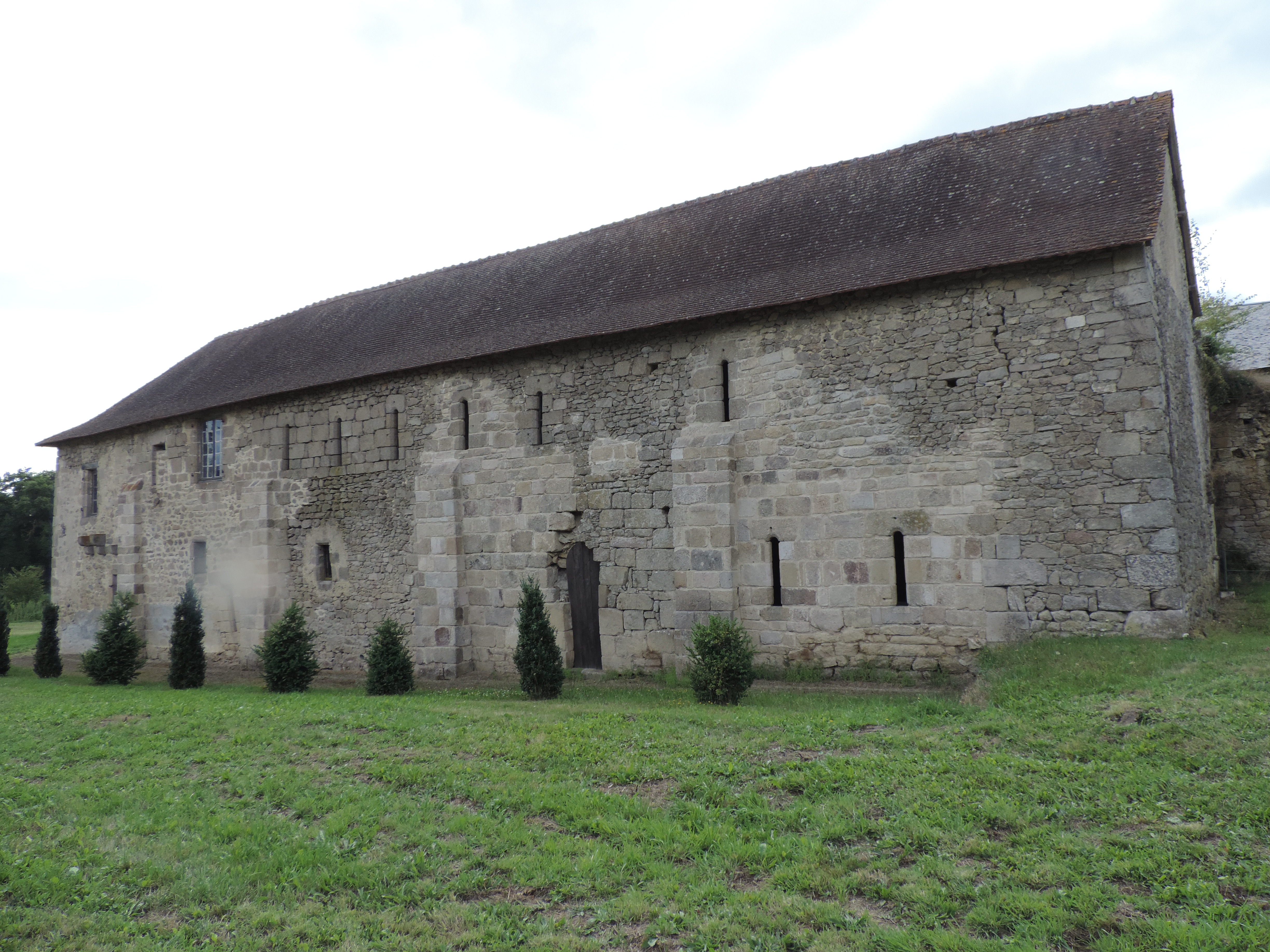
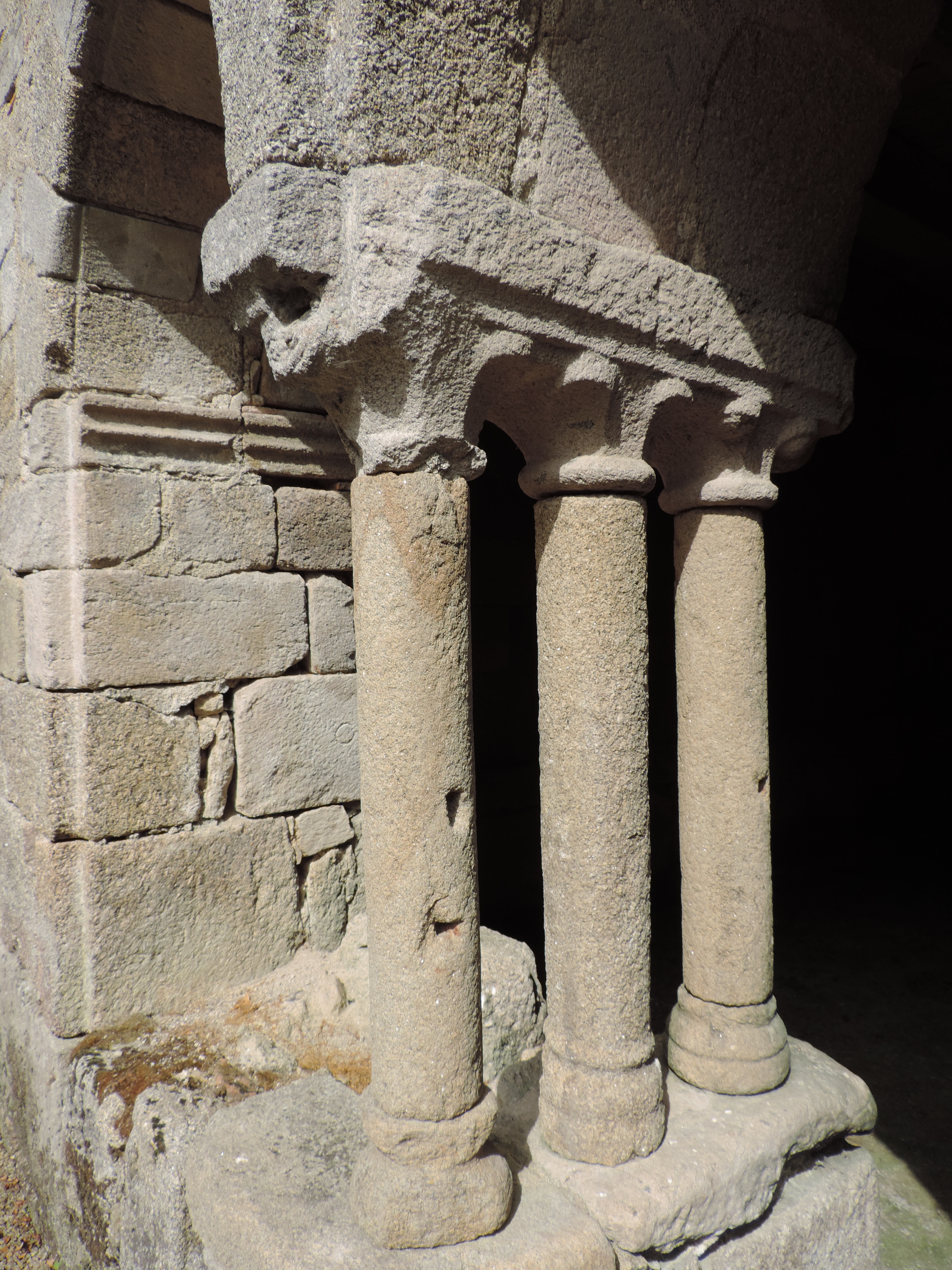
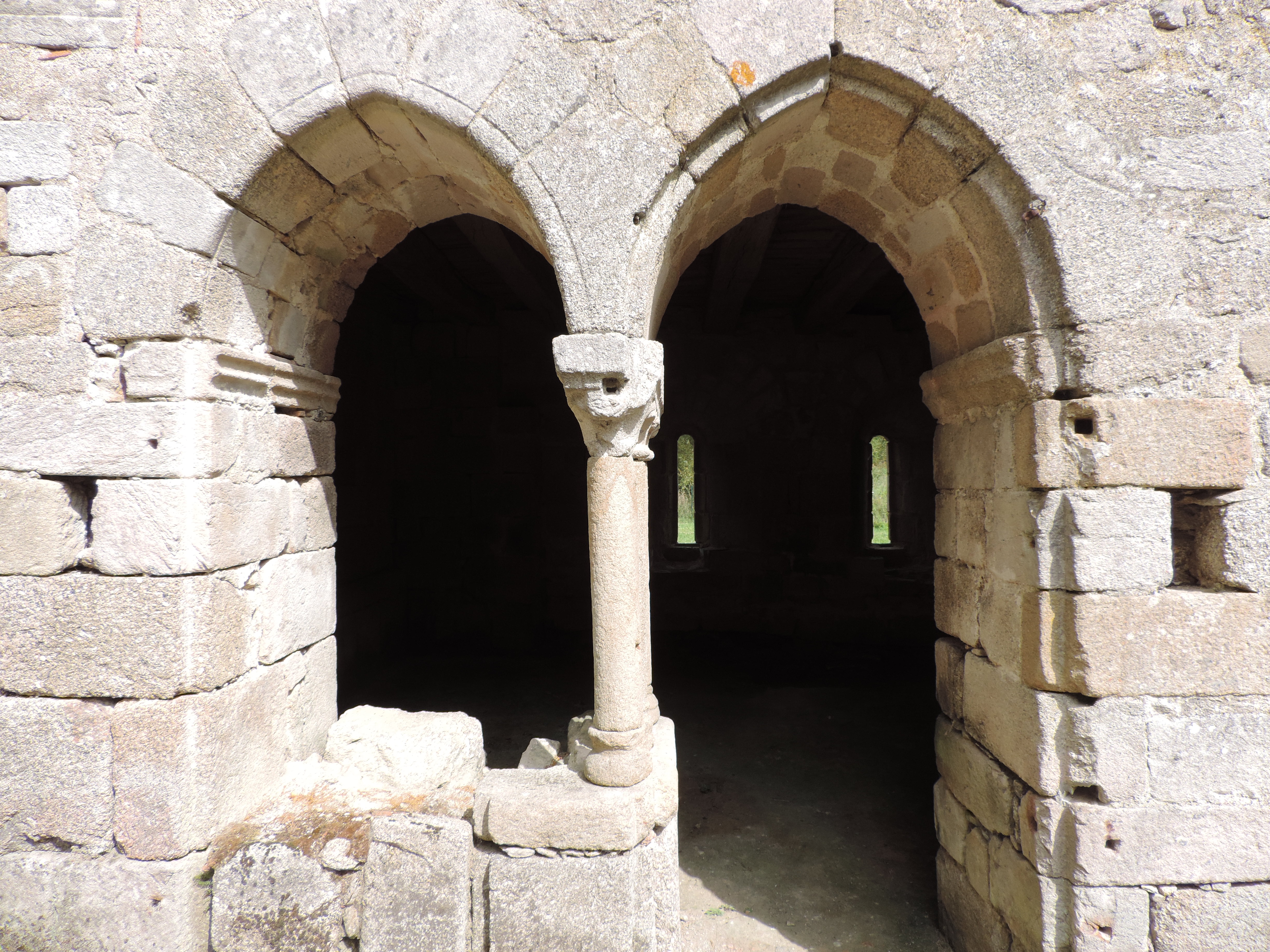
Every now and then on visits to France I’ve taken the opportunity to visit the remains of one of their monasteries. The architecture is distinctive with bare walls, chapels that were built with amazing acoustics in mind, simple dormitories, chapter houses, and cemeteries. The story of the monasteries, there founding principles, rise to astonishing wealth, patronage by Henry II in particular, and ultimate disestablishment in the 18th Century are easily available.
As the order became more established and expanded, eventually having some eighty monasteries in France, and three houses in England, something of the original vision was heavily compromised. In a simple enough way, the austerity and spiritual discipline of the first monks was in such contrast to the wealth and perceived excesses of other orders, the Grandmontines attracted admiration, and with that admiration came patronage. Their extreme poverty gave them an aura of incorruptibility and sanctity that encouraged gifts of estates and endowments.
Henry II was a major donor. It is suggested that he admired the Grandmontines so much that following the death of Thomas Beckett he asked to be admitted to one of their monasteries in atonement, but the monks, concerned about his association with the murder of a bishop, refused his wish. But that only led to him piling even more gifts upon them.
Reform followed reform. The order had a unique distinction between clerical and lay amongst its membership, leaving all authority over land and temporal matters to the lay brothers so that the clerics could focus exclusively on their spiritual lives; an arrangement that may have made sense but gave rise to its own set of abuses that needed papal intervention.
The order was suppressed just before the French Revolution, in part so that the Archbishop of Limoges could take over the remaining properties, possibly bolstering the budget for his staggering new palace (well worth a visit today as the home of the city’s art collection).
https://en.wikipedia.org/wiki/Grandmontines
A photograph I took early one morning of their chapel at Etricor, near Etagnac in the Charente Limousine is one I’ve used on my Twitter profile for years.


 Colin Brady