
I wrote this piece a few years ago for one of our local magazines. It prompted some useful discussion about how we can best provide homes that meet social need in our communities. I think it’s worth sharing here to keep some of that discussion alive, and because I simply love seeing almshouses on my travels; they are often architecturally fascinating and a lasting sign of the power of philanthropic endowment to make a difference that really lasts.
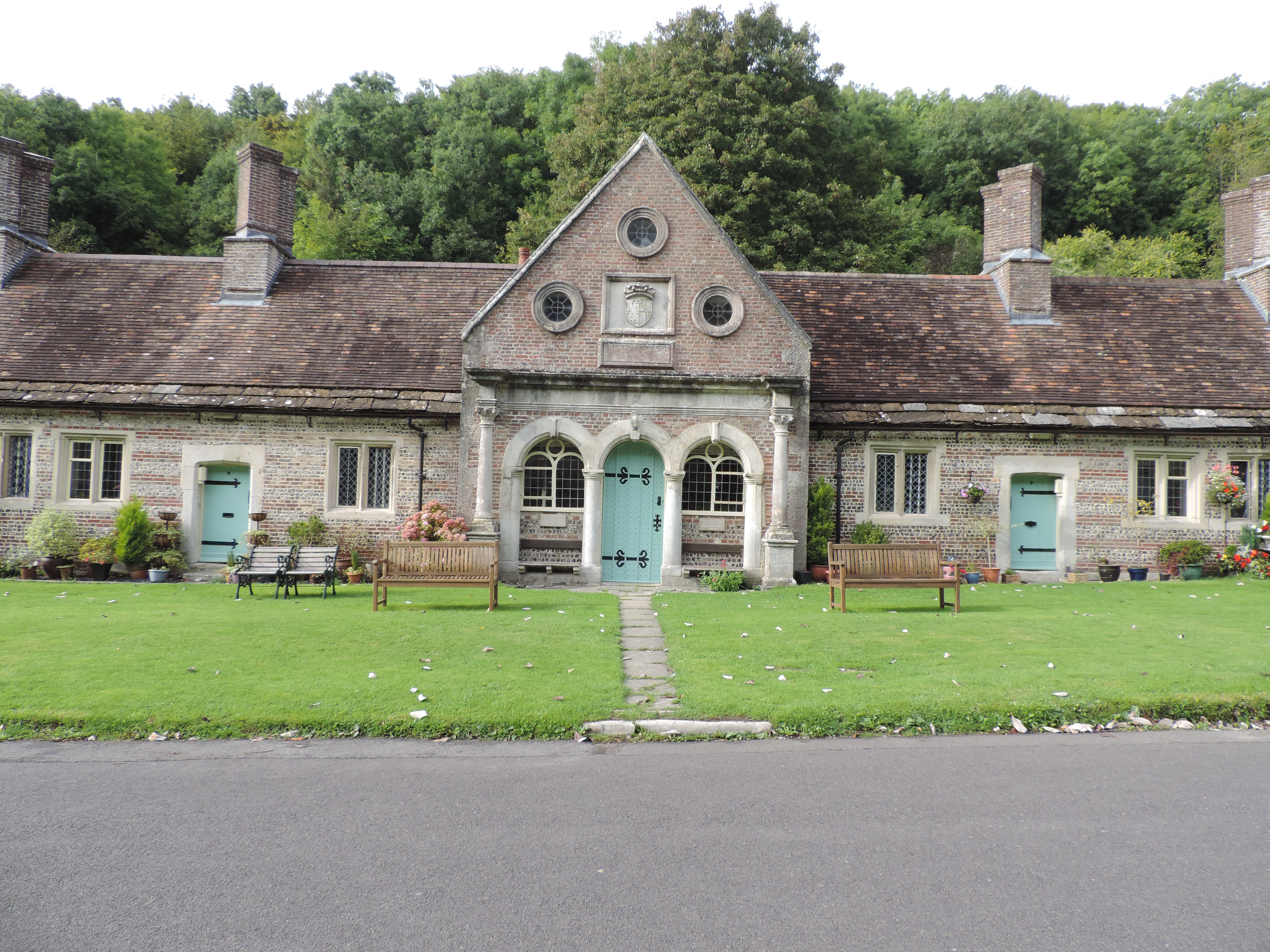
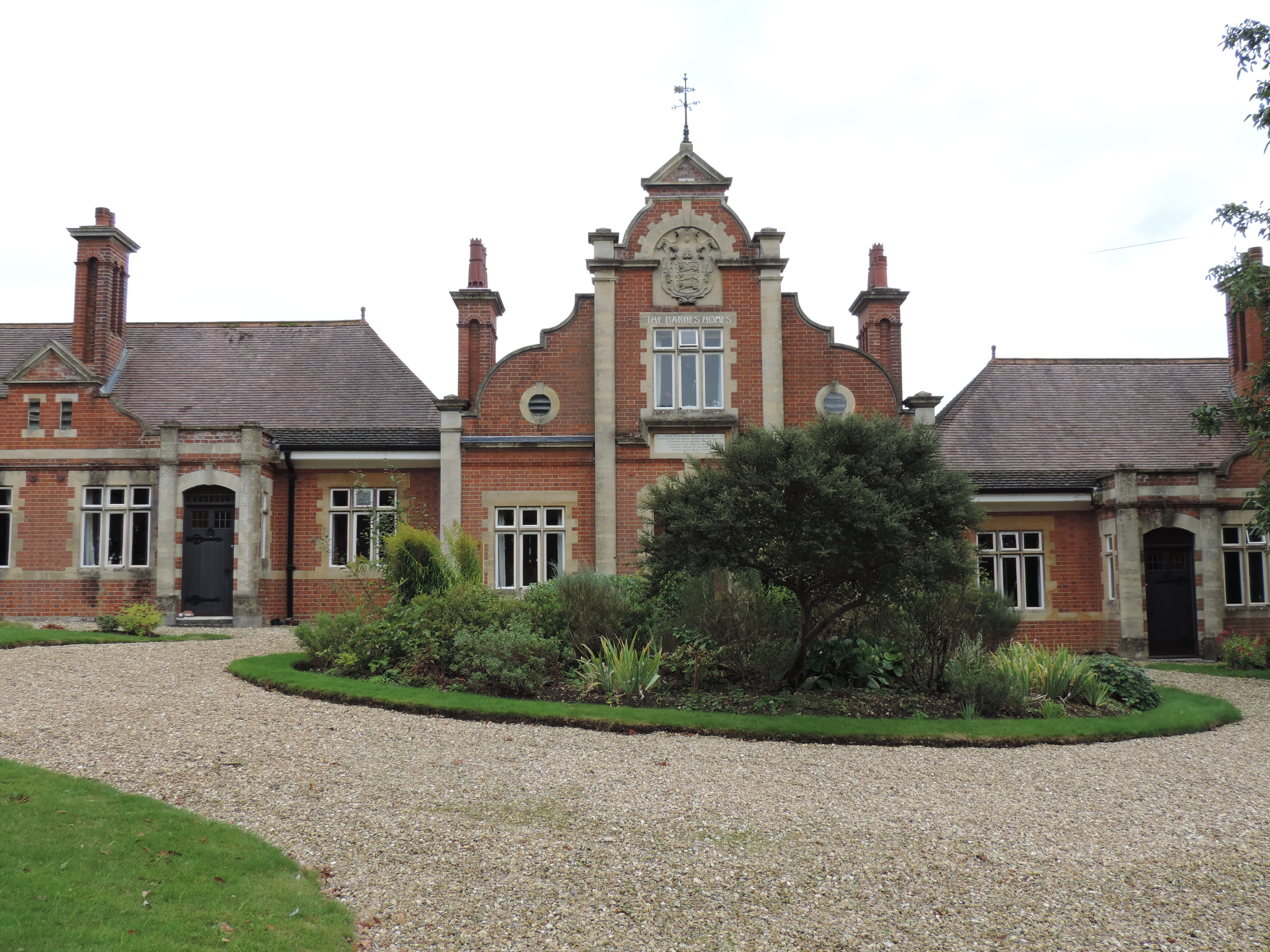
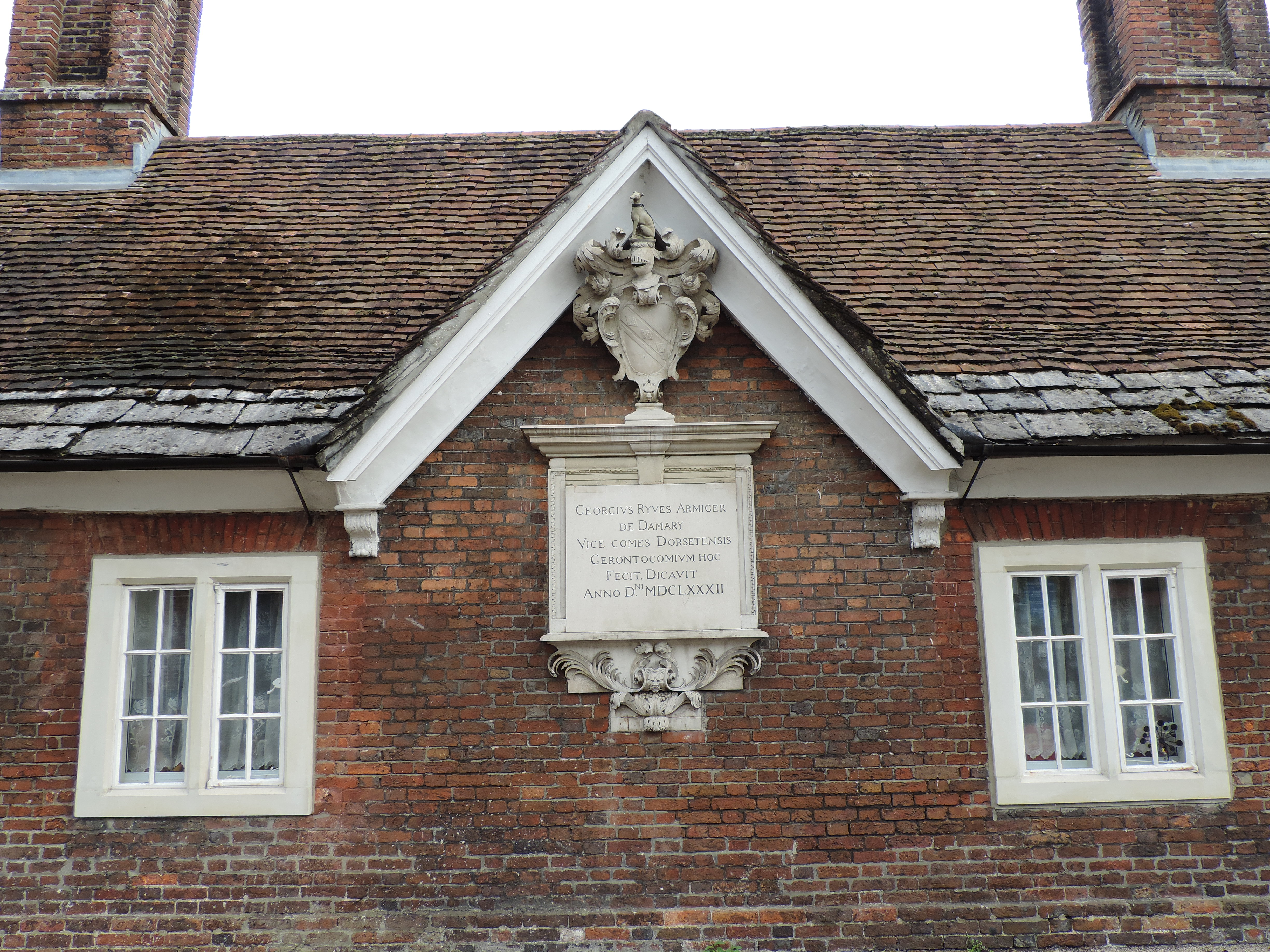
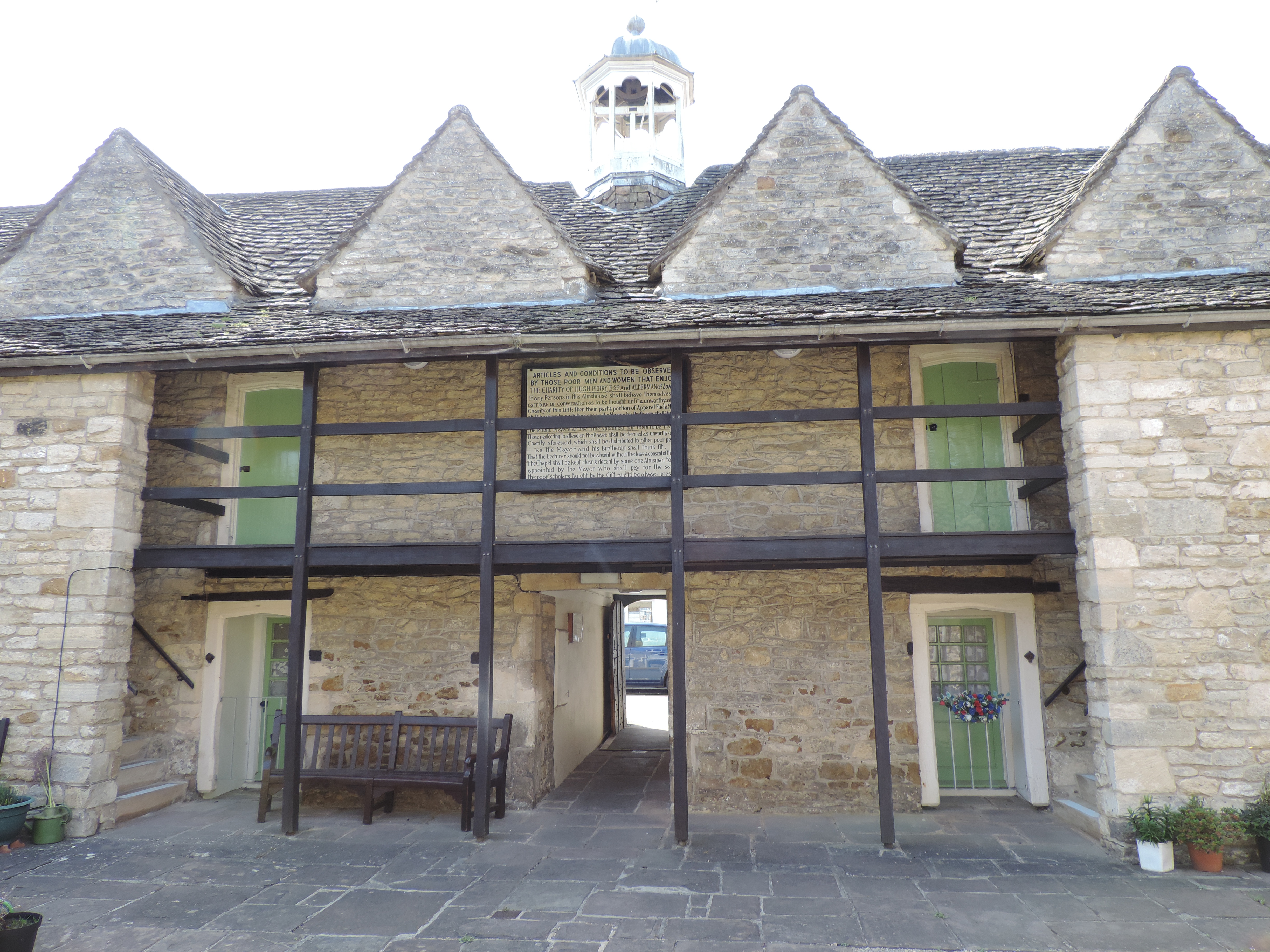
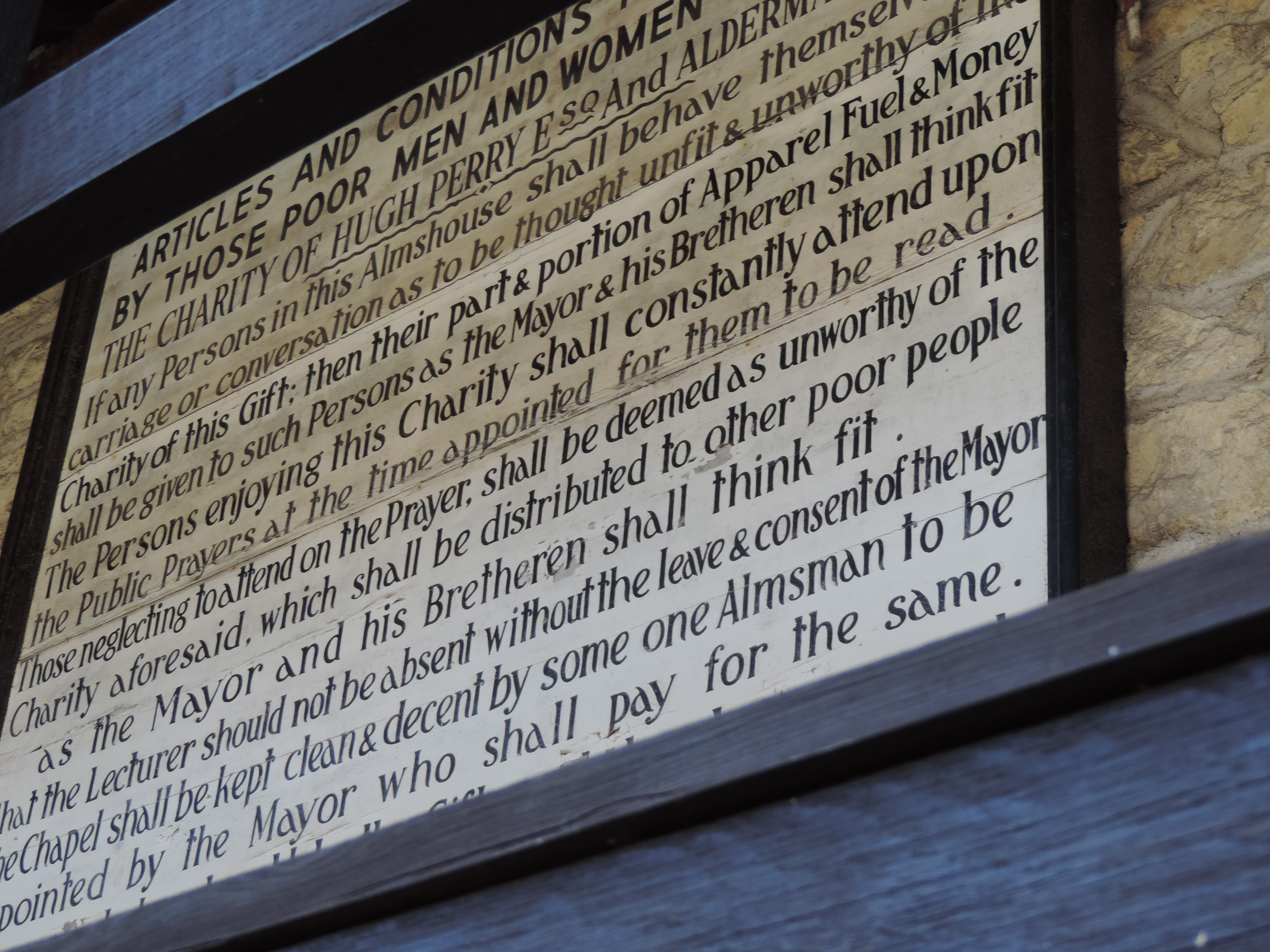
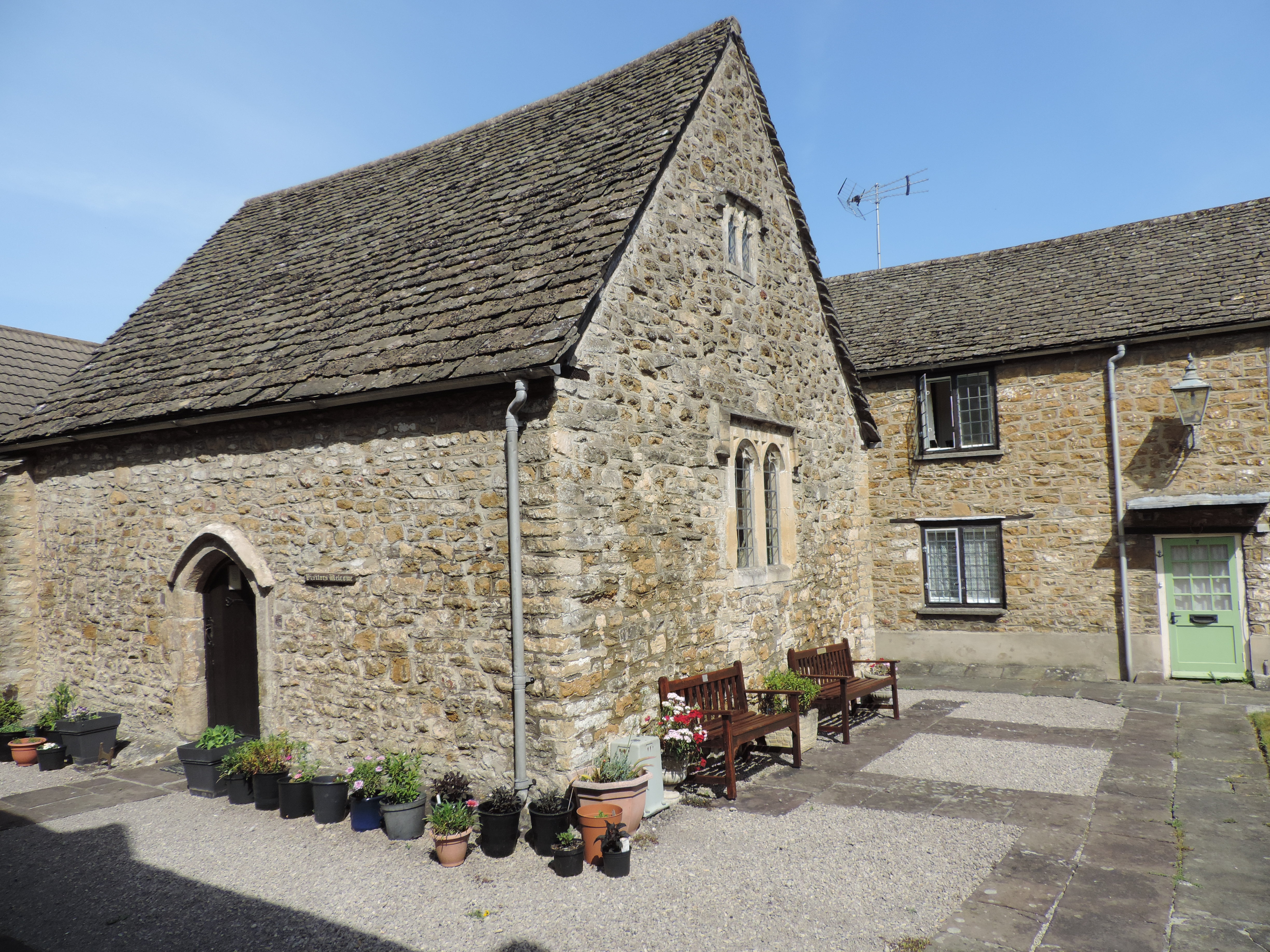
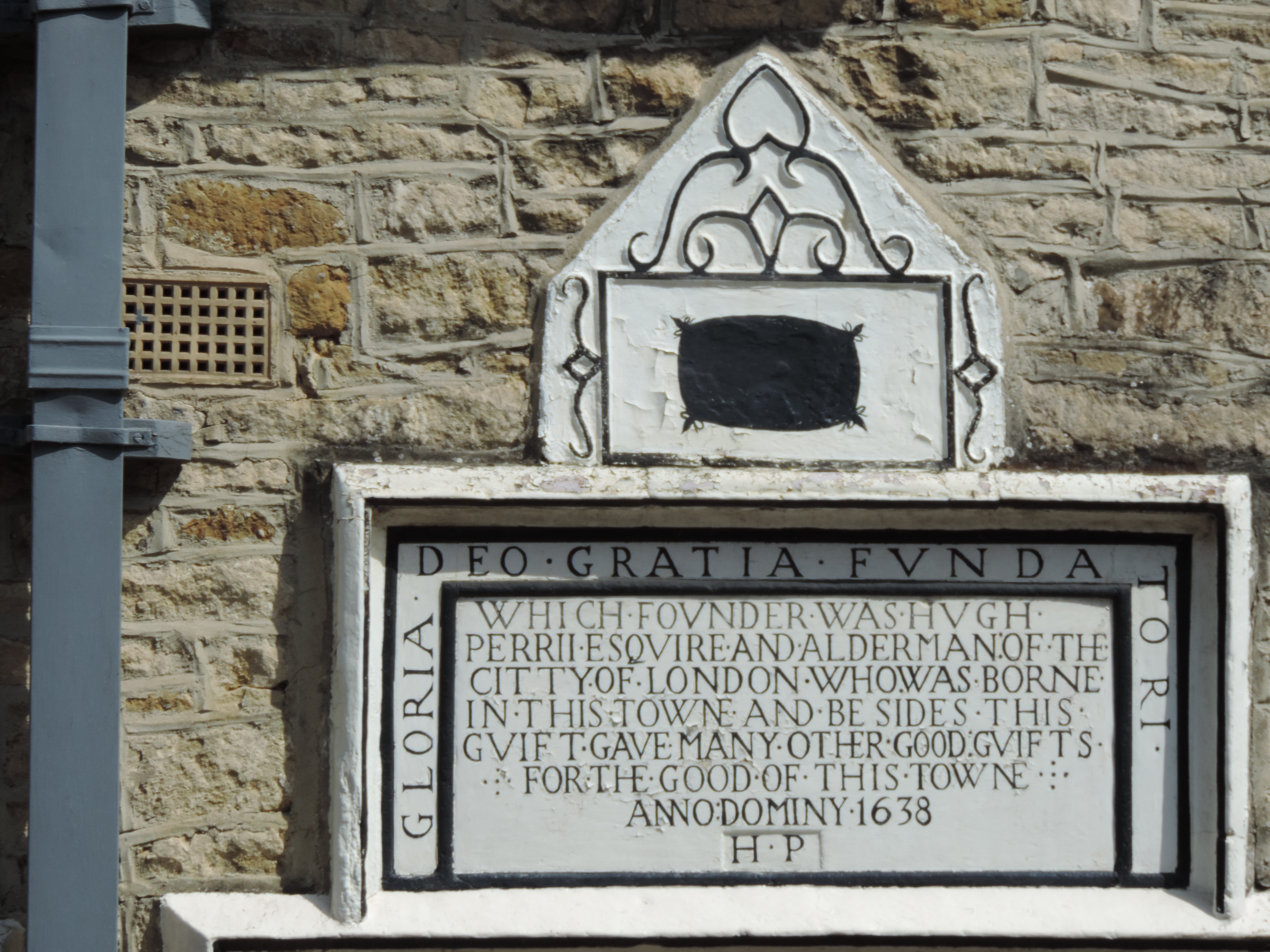
Almshouses are a common architectural feature of Dorset’s market towns. Usually terraced, single-storey, and fronted by an attractive courtyard garden, these institutions have been providing affordable homes for centuries. The first almshouses in Britain were established in the tenth century, and St Johns’ in Sherborne which began in 1437 is testament to the sustainability of the model. I think about almshouses whenever I find myself in a discussion about the need for more affordable homes in Dorset. How is it that over six hundred years ago people were able to come up with a model that still works and is still developing, when we struggle with the issue today?
Anyone living in Dorset is familiar with the problem. High property prices combined with lower than average incomes have kept many younger people out of the market. Demands on housing have increased with new family structures, and a significant proportion of homes in the county are used for holidays. Flourishing local communities, on the other hand, need a mixture of people across age-groups to deal with all the work of keeping services and support structures going. Our schools need teachers, our care homes need nurses and careworkers, our businesses need workers. We all do better when our communities can provide homes for those working in the county.
We know that affordable homes top the priorities identified by village groups and community planners. Faced with what is obviously a complex issue I have often been told that there is nothing that can be done; it’s just too big for us to deal with. But is it?
Those almshouses are a reminder that others found a way to deal with similar issues before. More recently Dorset has led the way in Britain with the development of Community Land or Property Trusts. Worth Matravers, Buckland Newton, and others, have seen community groups, local landowners, businesses, and philanthropists, working together to build homes that will have a lasting benefit for their communities into the future. It takes generosity of spirit, of cash, and of land, and a lot of hard graft to make it work, but it has been done and can be done again.
The Diocese of Salisbury has worked with social landlords and others to provide homes on church land with long-term leases that secure these homes for local community needs. The Addington Fund has provided homes for farmers moving into retirement. With goodwill, smart use of the legal structures that are already available, and a lot of passion and commitment, some of our communities have come up with local solutions to local needs.
There are organisations that can provide advice, and there are people who have experience to share. Securing affordable homes that will be available to meet local needs into the future has been done. New projects face challenges, especially with limited grant-funding available from trusts, but with support from landowners and donors who are willing to make generous sacrifices we can hope to have homes and sites that will help meet local needs for centuries to come.
 Colin Brady